
The Complete 2026 Guide to California Dog Bite Law: 4 Things Victims Must Prove
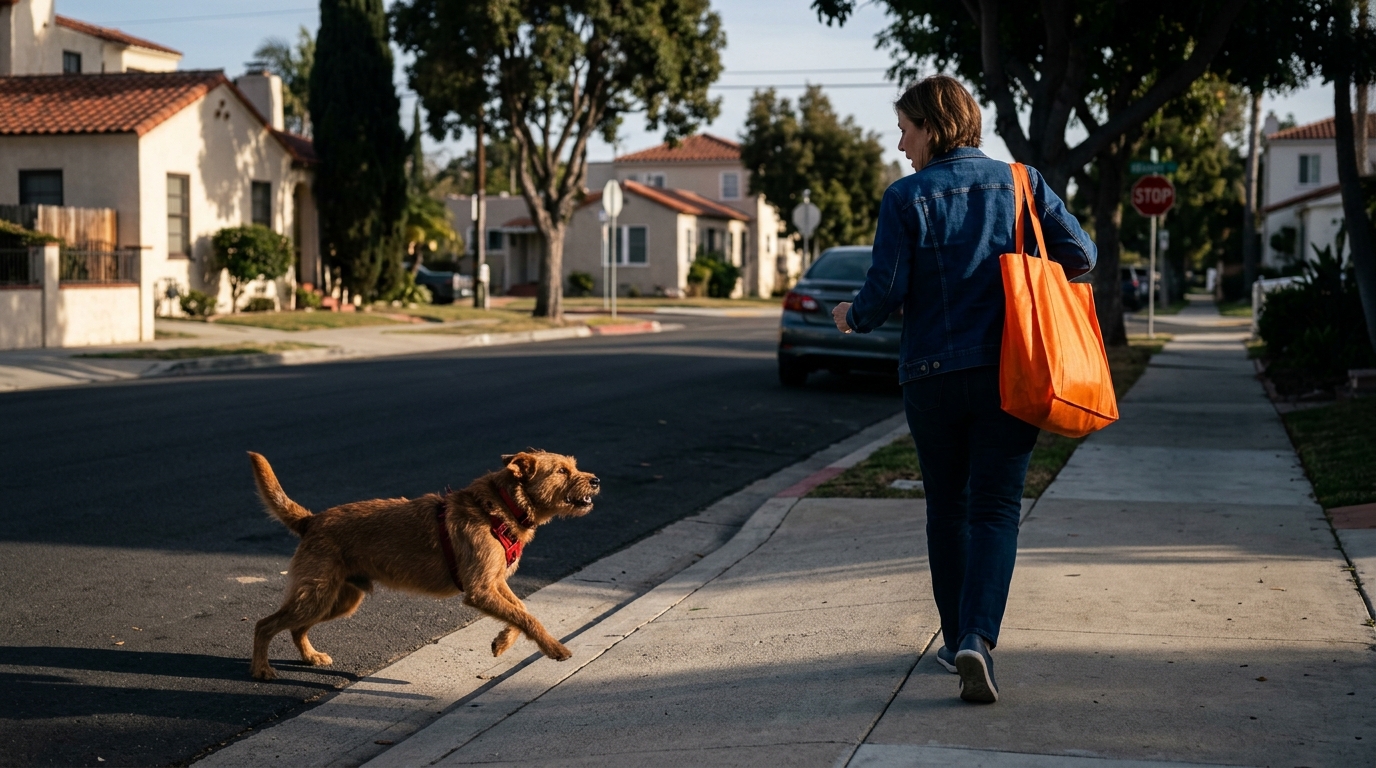
Picture this: you are enjoying a peaceful evening walk through your neighborhood. Suddenly, an unleashed dog lunges at you. Panic sets in instantly. Consequently, a relaxing stroll turns into a traumatic nightmare. You are left bleeding, terrified, and facing mounting medical bills. As a dog bite victim in California, you might feel completely overwhelmed. You may be unsure of your legal rights. Fortunately, our california dog bite law firm is here to help you navigate this difficult time.
Fortunately, you do not have to fight this battle alone. California dog bite laws strongly protect victims. We know exactly how to hold negligent dog owners accountable for their actions. In this comprehensive guide, we will explain exactly what you must prove to win your personal injury claim. Furthermore, we stand by our relentless commitment to your recovery. You pay absolutely no legal fees unless we win your case.
Table of Contents

Strict Liability and California Civil Code 3342
When it comes to owner liability, California is highly protective of victims. Specifically, under California Civil Code 3342, dog owners face strict liability for dog bites. This means you do not need to prove the owner was careless. Additionally, you do not have to prove the owner knew the dog was dangerous beforehand.
Many states require victims to prove the dog had a history of aggression. However, California explicitly rejects the outdated “first bite rule.” Therefore, strict liability applies to the very first bite. Even if the dog has always been gentle, well-trained, and friendly, the owner is still legally responsible.
Understanding CACI No. 463
To win your case, you must meet specific legal criteria. The essential factual elements for a claim under Civil Code Section 3342 are governed by California Civil Jury Instructions, specifically CACI No. 463. Under these instructions, a victim must prove a few straightforward facts.
- First, the defendant actually owned the dog.
- Second, the dog bit the plaintiff.
- Third, the plaintiff was in a public place or lawfully in a private place.
- Finally, the dog bite caused the plaintiff’s injuries.
Because the law is so clear, gathering immediate evidence is crucial. For an in-depth look at how this works, read our guide on California Dog Bite Law: Strict Liability Explained. Ultimately, strict liability removes the burden of proving negligence, making it easier for victims to secure justice.
Exceptions and Other Liable Parties
While strict liability is incredibly powerful, it is not absolute. Therefore, dog owners and their insurance companies will actively look for exceptions to deny your claim. For instance, if a victim was trespassing on private property, strict liability may not apply. Similarly, if the victim was actively provoking the dog, the owner might successfully defend against the claim.
Additionally, you might wonder about holding other parties accountable. What happens if the dog was with someone else? Temporary caretakers, such as pet sitters, face different rules. Specifically, dog walker liability is not governed by strict liability under Section 3342. Instead, these temporary caretakers can face liability under general negligence if they fail to exercise reasonable care.
Landlord Liability in Dog Bite Cases
Furthermore, victims often ask if they can sue the property owner. Landlord liability works differently than owner liability. Landlords are not subject to strict liability under Section 3342 because they do not own the dog. However, they can still be held liable under a negligence theory.
To win a claim against a landlord, you must prove they knew the dog was dangerous. Moreover, you must prove they had the power to remove the dog but failed to do so. For more details on these specific statutes, review our article on CA Civil Code 3342: California Dog Bite Law. Navigating these exceptions requires relentless legal expertise.
Recent Data and Statistics on Dog Bites
Dog bites are a massive problem across the state. As of 2026, California consistently ranks highest in the nation for dog bite insurance claims. According to a 2025 study by the Insurance Information Institute, California recorded over 2,000 dog bite claims in a single year. Consequently, payouts for these injuries reached tens of millions of dollars.
Southern California is a particular hotspot for these incidents. Specifically, a San Diego dog bite can result in severe trauma and massive emergency room bills. In 2026, the average cost of a dog bite hospital visit exceeded $60,000. If you have been injured locally, learn how to handle a San Diego Dog Bite: Recover Medical Bills Faster. You should never have to shoulder these costs alone.
Comparing Strict Liability vs. Negligence
Understanding the difference between legal theories is vital for your case. Therefore, we have broken down the key differences below. This table clarifies who is responsible and what you must prove.
| Legal Theory | Liable Party | What Victims Must Prove |
|---|---|---|
| Strict Liability (CC 3342) | The Dog Owner | Ownership, a bite occurred, lawful presence, and resulting injury. |
| General Negligence | Dog Walkers / Caretakers | Duty of care, breach of that duty (carelessness), and resulting injury. |
| Premises Liability | Landlords / Property Owners | Knowledge of the dangerous dog, ability to remove it, and failure to act. |

Visualizing Your Post-Bite Action Plan
To help victims protect their rights immediately, imagine an infographic titled “The Post-Bite Action Plan.” This visual guide breaks down the chaotic aftermath into three simple steps.
First, it shows a medical cross icon, emphasizing the need to seek emergency medical attention immediately. Second, a camera icon illustrates the importance of gathering evidence. This includes taking photos of your injuries and getting the dog owner’s contact information. Finally, a phone icon represents calling an authoritative personal injury lawyer. Following these exact steps ensures your strict liability claim remains incredibly strong.
Conclusion
A dog bite can shatter your peace of mind and drain your finances. However, the California dog bite law is firmly on your side. Under California Civil Code 3342, negligent owners are held strictly liable for the trauma they cause. You do not have to prove they were careless, and you do not have to worry about the first bite rule.
Do not let an irresponsible dog owner or a greedy insurance company deny you justice. You deserve maximum compensation for your medical bills, lost wages, and emotional suffering. We are relentless in our pursuit of justice for dog bite victims. Contact our expert legal team today for a free consultation. Remember, we offer a strict no-fee-unless-we-win guarantee.
Frequently Asked Questions (FAQ)
Injured in a dog bite? Contact us today.
What is California Civil Code 3342?
California Civil Code Section 3342 is the state’s dog bite statute. It establishes strict liability for dog owners. This means an owner is legally responsible for damages if their dog bites someone in a public place or lawfully in a private place, regardless of the dog’s past behavior.
Does California follow the “first bite rule”?
No, California does not follow the first bite rule. Because of strict liability, an owner is fully responsible for the very first time their dog bites someone. You do not need to prove the owner knew the dog was dangerous beforehand.
Can I sue a landlord for a dog bite in California?
Yes, but landlords are not strictly liable under Section 3342. To successfully sue a landlord, you must prove general negligence. Specifically, you must show the landlord knew the dog was dangerous and had the authority to remove the animal but failed to do so.
What are the elements of CACI No. 463?
CACI No. 463 outlines the jury instructions for a dog bite case. Victims must prove that the defendant owned the dog, the dog bit the plaintiff, the plaintiff was lawfully on the premises, and the bite was a substantial factor in causing the plaintiff’s harm.
Are dog walkers strictly liable if the dog bites someone?
No, temporary caretakers like dog walkers or pet sitters are not subject to strict liability because they do not own the dog. However, they can still be sued under a general negligence theory if they failed to properly control the dog.