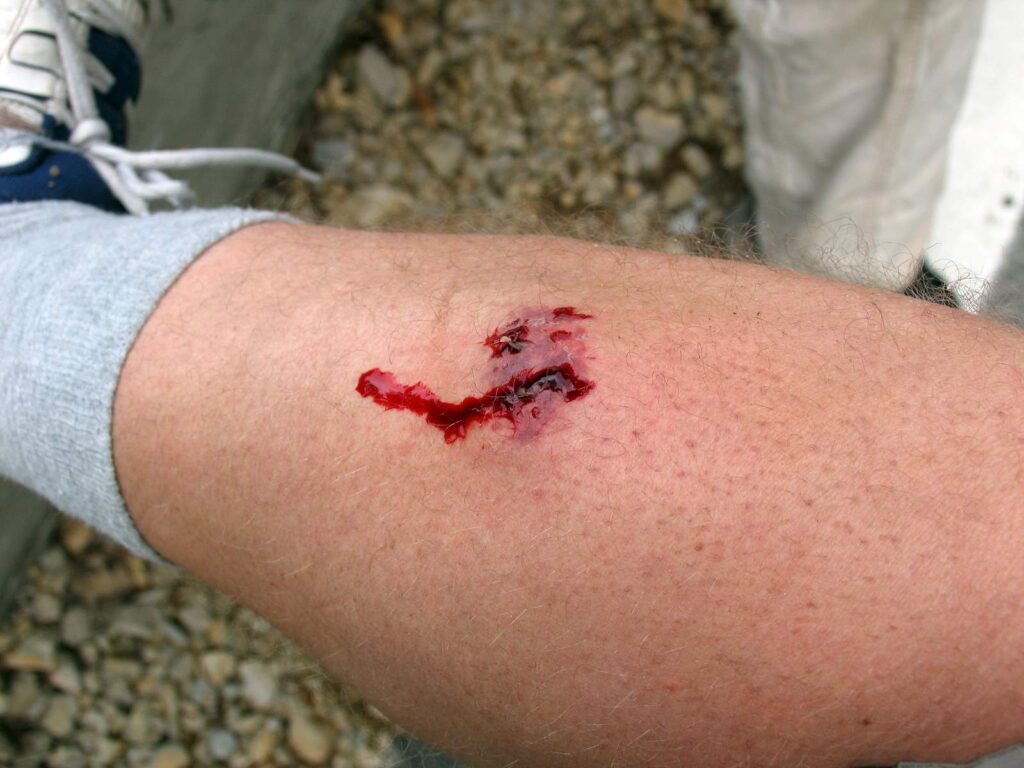
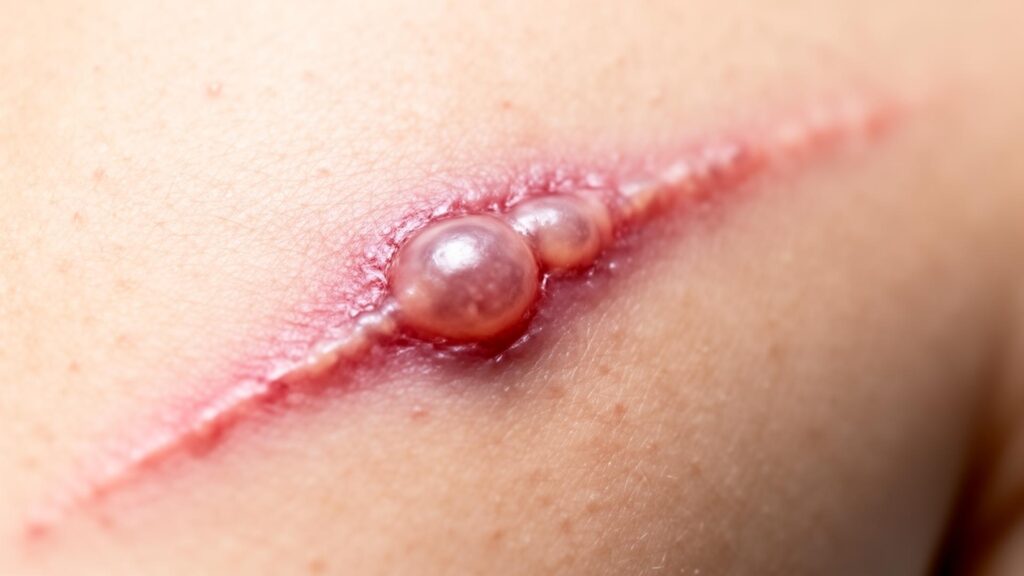
Dog bite attacks can cause devastating physical and emotional harm. Understanding the full scope of potential injuries is the first step toward getting the medical care and legal compensation you deserve.
Physical & Emotional
Common Dog Bite Injuries
Dogs typically attack with their teeth, targeting the face, head, hands, arms, and legs. Facial injuries are among the most frequent. The physical trauma is often compounded by lasting emotional wounds that can be equally debilitating.
Lacerations, deep cuts, and puncture wounds
Nerve damage in the affected area
Crush injuries and broken bones
Wound infections including rabies, tetanus, and MRSA
Loss of vision or limb amputation
Tendon and soft tissue damage
Traumatic head and spinal injuries
Permanent scarring and disfigurement
Severe emotional distress and anxiety
Post-traumatic stress disorder (PTSD)
Medical Care
Treatment for Dog Bite Injuries
Immediate medical attention is critical. Physicians first address life-threatening risks, then focus on long-term healing — including wound repair, infection control, and rehabilitation. The treatment journey can span weeks, months, or even years.
Thorough wound cleansing to prevent infection
Immediate medical evaluation by a physician
Tetanus booster or rabies vaccination if needed
Diagnostic imaging — X-rays, MRIs, or CT scans
Fracture stabilization and casting
Reconstructive or orthopedic surgery
Ongoing physical therapy and rehabilitation
Psychological evaluation for trauma-related conditions
Lasting Impact
Scarring & Disfigurement
Tens of thousands of Americans require reconstructive surgery following dog attacks each year. Because dogs often target the face, scarring injuries can be particularly visible and emotionally devastating. Scars may also cause chronic pain and limit mobility.
Types of Scars
Keloid Scars
Raised, oversized scars caused by aggressive healing that can restrict movement and worsen over time.
Contracture Scars
Tight, pulling scars that limit range of motion and can impact underlying nerves and muscles.
Hypertrophic Scars
Elevated, reddish scars from excess tissue growth over wounds, often remaining raised above the skin.
Atrophic Scars
Depressed or flat scars resulting from tissue loss, sometimes causing visible discoloration.
Treatment Options
Over-the-counter scar-lightening products
Prescription topical creams and ointments
Surgical scar revision or removal
Skin grafting procedures
Laser treatments (IPL / photorejuvenation)
Dermabrasion and steroid injections
Cryotherapy and filler injections
Mental Health
Post-Traumatic Stress Disorder
PTSD isn’t limited to combat veterans — anyone who experiences a traumatic event, including a violent dog attack, can develop this serious condition. Without treatment, PTSD can fundamentally alter a person’s quality of life.
Vivid flashbacks of the attack
Recurring nightmares
Persistent, severe anxiety
Intrusive thoughts about the incident
Irrational perception of constant danger
Avoidance of dogs, outdoors, or social situations
PTSD from dog attacks can lead to extreme fear of dogs, reluctance to leave home, and social isolation. Treatment is highly individualized and may take months or years. Your legal claim can help cover the cost of long-term psychological care.
Protecting Kids
When a Child Is Bitten by a Dog
Children aged 5 to 9 are statistically the most vulnerable to dog bite attacks. Every year, thousands of California families face the aftermath of these incidents. A child who has been bitten may suffer not only physical injuries but also lasting emotional trauma — including fear, social difficulties, and bullying related to visible scars.
1
Seek medical attention immediately — don’t wait
2
Follow your doctor’s treatment plan closely
3
Take your child’s reports of pain seriously, even after visible healing
4
Consider professional counseling for fear, anxiety, or behavioral changes
6
Reassure your child and discuss safe ways to interact with dogs
7
File insurance claims promptly with the help of an attorney
Take the Next Step
Your Injuries Deserve Experienced Legal Representation
Dog bite injuries can change your life forever — whether physical, emotional, or both. You have the right to pursue justice and fair compensation. Contact us today for a free, no-obligation consultation with an experienced Los Angeles dog bite attorney.